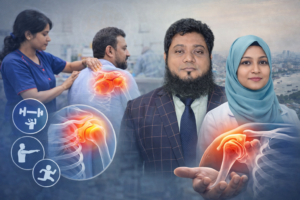
Specialized Treatment for Frozen Shoulder in Bangladesh
Frozen shoulder, clinically known as adhesive capsulitis, is a painful and disabling condition that affects thousands of people across Bangladesh every year. The condition is characterized by progressive shoulder pain, stiffness, and severe restriction of movement, often making even simple daily activities extremely difficult. Tasks such as dressing, combing hair, lifting objects, reaching overhead, or sleeping comfortably become challenging and frustrating for patients suffering from frozen shoulder.
In Bangladesh, frozen shoulder is frequently misunderstood and often managed improperly. Many patients depend on painkillers for extended periods, receive repeated steroid injections, or are advised to simply “wait until it improves on its own.” Unfortunately, these approaches often delay proper treatment and may lead to prolonged stiffness and reduced shoulder mobility. In some situations, patients are even recommended surgery before receiving adequate conservative care.
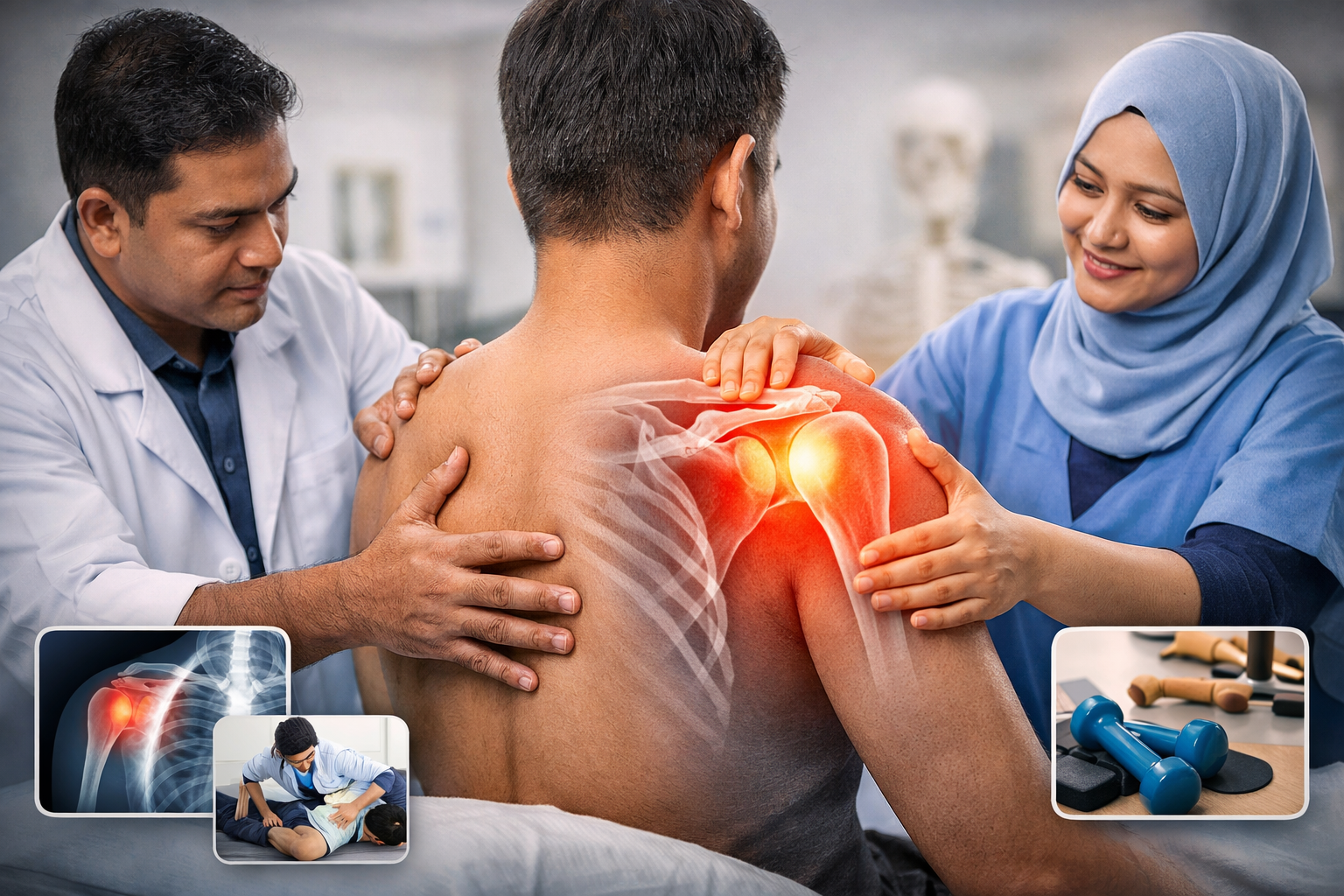
However, modern evidence-based medicine clearly indicates that specialized physiotherapy is the most effective first-line treatment for frozen shoulder, particularly when it is delivered by experienced clinicians who understand shoulder biomechanics and rehabilitation. With appropriate manual therapy, guided exercises, and structured rehabilitation, patients can gradually regain shoulder mobility, reduce pain, and return to normal daily activities.
Among physiotherapy centers across the country, ASPC Manipulation Therapy Centre has gained recognition as one of the leading facilities for frozen shoulder treatment. The center is known for its advanced, non-surgical, and patient-centered treatment approach, which focuses on identifying the root cause of the problem rather than only managing symptoms.
Under the clinical leadership of Dr. Mohammad Shahadat Hossain and Dr. Sapia Akter, ASPC provides specialized physiotherapy programs designed to restore shoulder movement safely and effectively. Their treatment philosophy emphasizes accurate diagnosis, individualized therapy plans, and progressive rehabilitation. By combining clinical expertise with evidence-based physiotherapy techniques, ASPC helps many patients across Bangladesh recover from frozen shoulder and regain functional independence without unnecessary surgery.
Understanding Frozen Shoulder: A Comprehensive Overview
Frozen shoulder is a condition in which the capsule surrounding the shoulder joint becomes inflamed, thickened, and tight. Over time, this leads to fibrosis and adhesions within the joint capsule, severely limiting shoulder movement in all directions. Unlike common shoulder pain caused by muscle strain, frozen shoulder involves the joint itself and progresses through distinct stages.
Stages of Frozen Shoulder
Understanding these stages is essential because treatment must be adjusted according to the phase of the condition. Incorrect or aggressive treatment at the wrong stage can worsen symptoms.
Who Is Most Affected in Bangladesh?
- People with diabetes
- Individuals with thyroid disorders
- Office workers with poor posture
- Post-surgical or post-injury patients
- Women more than men
- Prolonged shoulder immobilization
- Individuals with previous shoulder pain
Diabetic patients often experience more severe symptoms and longer recovery times, making specialized physiotherapy particularly important.
Common Symptoms and Functional Limitations
Physical Problems
- Persistent shoulder pain, especially at night
- Severe stiffness and reduced movement
- Difficulty raising the arm
- Shoulder weakness due to disuse
Daily Challenges
- Inability to reach behind the back
- Pain during dressing and grooming
- Sleep disturbance and fatigue
- Reduced productivity
Why Frozen Shoulder Requires Expert Physiotherapy
Frozen shoulder is not a simple muscle issue. It involves complex changes within the joint capsule and surrounding tissues. Forceful or incorrect treatment can increase inflammation and prolong recovery. The main goals of physiotherapy include:
- Pain reduction without aggravating inflammation
- Gradually restore joint mobility
- Prevent further capsular tightening
- Restoration of muscle strength and coordination
- Avoidance of unnecessary surgery
ASPC Manipulation Therapy Centre: A Nationally Trusted Center
ASPC Manipulation Therapy Centre is widely recognized across Bangladesh for its excellence in non-surgical musculoskeletal care. The center follows international standards of physiotherapy while tailoring treatment to the needs of local patients.
Core Principles
- Accurate diagnosis and staging
- Individualized treatment planning
- Gentle, progressive mobilization
- Avoidance of aggressive manipulation
- Focus on functional independence
Clinical Leadership
Dr. Mohammad Shahadat Hossain, PT
Dr. Mohammad Shahadat Hossain, PT, is highly respected for his expertise in shoulder biomechanics and chronic shoulder disorders. His approach is based on understanding the underlying pathology and applying the correct intervention at the correct stage.
Why His Approach Is Effective:- Accurate differentiation of frozen shoulder from other conditions
- Stage-specific manual therapy techniques
- Emphasis on joint mechanics rather than pain masking
- Ethical avoidance of unnecessary surgical referral
Dr. Sapia Akter, PT
Dr. Sapia Akter, PT, plays a vital role in translating diagnosis into effective rehabilitation. She specializes in structured exercise programs and patient education, ensuring sustainable recovery.
Key Strengths:- Gradual and patient-friendly exercise progression
- Special focus on elderly and female patients
- Clear home exercise instruction
- Prevention of recurrence
Comprehensive Assessment & Detailed Treatment
Every patient undergoes a detailed evaluation including pain history, range of motion assessment, postural analysis, and review of imaging reports. Treatment at ASPC includes:
Pain Control & SDM
During the painful phase, we focus on pain relief without joint irritation. We apply the Spinal Decompression Method (SDM) to optimize spinal and shoulder girdle biomechanics, reducing abnormal stress.
Mobilization & Release
Carefully graded mobilization techniques stretch the joint capsule safely. Soft tissue release addresses tight muscles around the neck and upper back to reduce compensatory patterns.
Active Recovery
Progressive Range of Motion Exercises and Stability Training focus on the rotator cuff and scapular stabilizers. Postural correction and home programs ensure continuous progress.
Why Surgery Is Rarely Needed
Most frozen shoulder cases respond well to structured physiotherapy. Surgery is only considered after prolonged failure of conservative treatment. At ASPC, surgery is always viewed as a last option.
Patient Satisfaction and Outcomes
Patient satisfaction is a cornerstone of care at ASPC Manipulation Therapy Centre. Patients consistently report high levels of trust and confidence. Long-term outcomes include significant pain reduction, restored mobility, better sleep, and enhanced quality of life.
Institutional Comparison: Why ASPC Stands Out
Across Bangladesh, facilities like the Center for the Rehabilitation of the Paralysed (CRP), Square Hospitals, Labaid, and Asgar Ali Hospital provide valuable services. However, hospital-based departments often follow generalized protocols limited by time constraints and a heavy reliance on electrotherapy (Ultrasound, TENS, etc.).
ASPC Manipulation Therapy Centre distinguishes itself through its specialized focus on musculoskeletal disorders. Instead of passive treatments, ASPC emphasizes hands-on manual therapy and precise joint mobilization. This targeted approach allows clinicians to address the root biomechanical cause of frozen shoulder rather than simply masking symptoms with machines.
The clinical expertise of Dr. Mohammad Shahadat Hossain and Dr. Sapia Akter ensures that patients receive individualized, stage-specific therapy rather than routine protocols, making ASPC a preferred destination for non-surgical recovery in Bangladesh.
Restore Your Movement and Quality of Life
Frozen shoulder is a complex condition, but specialized physiotherapy is the most effective approach for safe recovery. Early evaluation and stage-specific care at ASPC Manipulation Therapy Centre target the root cause of your pain.
Seek your evaluation today at ASPC – Dedicated to restoring movement, independence, and your quality of life.