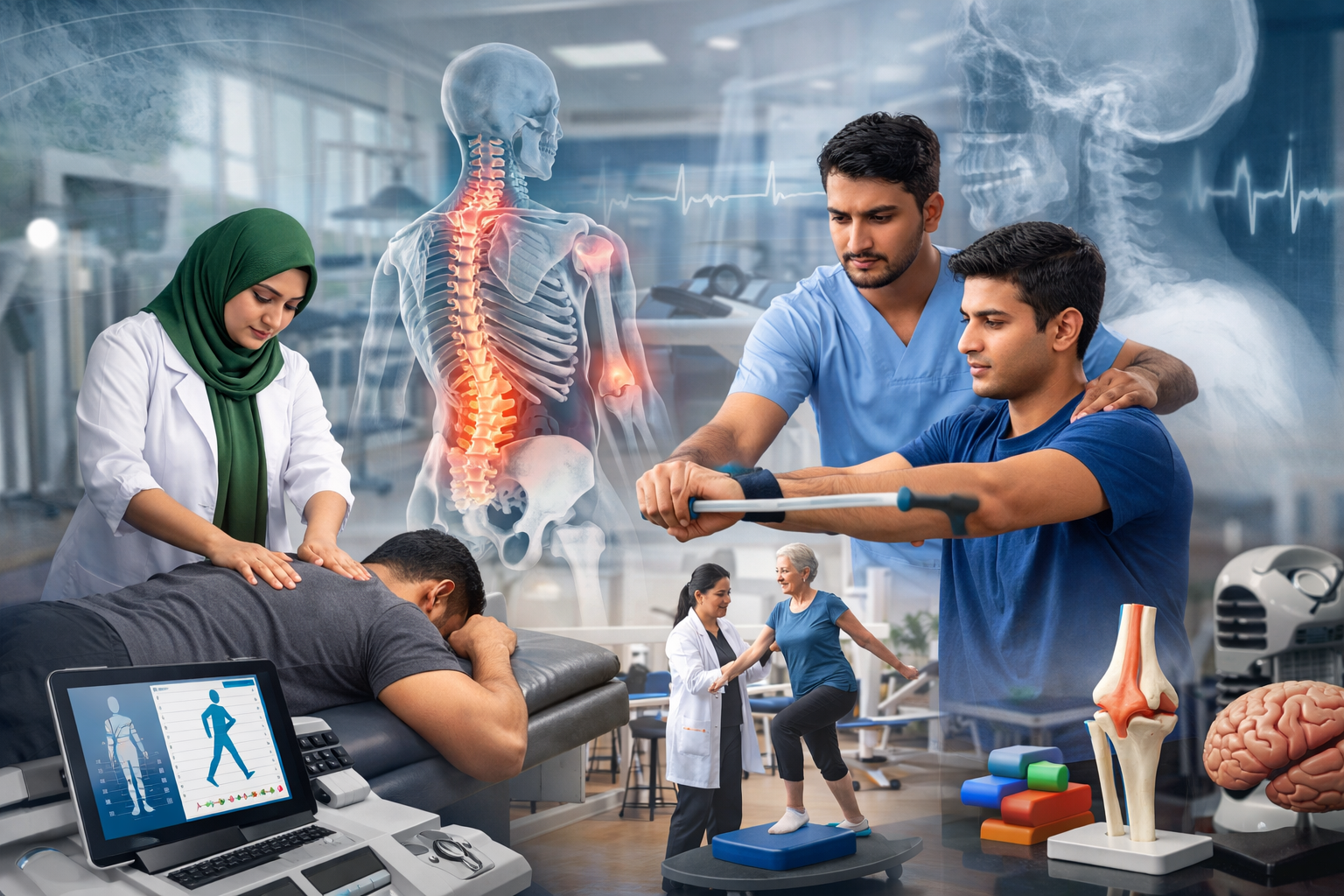
ASPC: A Leading Physiotherapy & Rehabilitation Center in Dhaka
Guided by skilled physiotherapists Dr. Shahadat Hossain, PT, and Dr. Sapia Akter, PT, ASPC delivers a wide range of services, including advanced manual therapy, structured exercise-based rehabilitation, neurological and stroke care, sports injury management, pediatric physiotherapy, and women’s health rehabilitation. Its reputation has grown organically through patient feedback, medical referrals, and community awareness programs, allowing it to stand out as a center committed to excellence.
Key factors that position ASPC among Dhaka’s most reputable physiotherapy centers
A Scientific and Structured Foundation: The SDM Model
One of the strongest reasons ASPC stands out in Dhaka is its consistent application of the Structural Diagnosis & Management (SDM) approach. Unlike conventional physiotherapy models that often focus primarily on symptom relief, SDM emphasizes identifying the root structural and biomechanical cause behind a patient’s condition.
At ASPC, treatment does not begin with machines or routine exercises. It begins with detailed structural evaluation. The SDM system involves:
- Comprehensive biomechanical assessment
- Identification of faulty movement patterns
- Correction of joint and muscle imbalance
- Progressive functional rehabilitation
- Measurable outcome tracking
This systematic framework ensures that treatment is not temporary but corrective and preventive in nature.
Evidence-Driven Philosophy
ASPC uses research-informed guidelines for assessment and rehabilitation. This ensures every intervention has a scientific foundation and a clear purpose, reducing guesswork and maximizing efficiency.
Skilled Physiotherapists
Led by highly capable experts whose academic training and manual therapy skills enable them to manage complex cases. They stay updated with modern research to refine clinical practice.
Diagnostic Precision
Every patient undergoes thorough functional evaluation, movement screening, and neurological checks to ensure the root cause—not just symptoms—is identified.
Personalized Programs
No two patients receive identical treatment. Plans are designed based on individual diagnosis, age, and recovery objectives to ensure meaningful progress.
Multidisciplinary Collaboration for Comprehensive Care
ASPC often collaborates with orthopedic surgeons, neurologists, sports physicians, and occupational therapists. This model is particularly beneficial for complex conditions such as stroke recovery, spinal disorders, and post-surgical rehabilitation. By working with multiple specialists, the center ensures refined treatment strategies and safe progression toward functional independence.
Integration of Modern Rehabilitation Technology
Although hands-on therapy forms the core, ASPC incorporates updated rehabilitation tools to support assessment and training. These technologies assist in improving balance, neuromuscular control, and functional performance, aligning with modern physiotherapy standards in Dhaka.
Strong Clinical Outcomes
Building trust through success stories in chronic back pain, sports injuries, and neurological impairments. This record attracts referrals from top surgeons and physicians.
Hygienic Environment
Strict cleanliness protocols ensure treatment rooms and waiting areas remain sanitized, providing a safe atmosphere for post-operative and elderly clients.
Clear Communication
Therapists explain diagnoses and strategies in simple language. Education on posture and ergonomics is provided to prevent future injuries.
Ethical Practice
Committed to fair practice with no unnecessary sessions and transparent billing, protecting patients from hidden costs.
Use of Standardized Outcome Measures
To ensure measurable progress, ASPC uses internationally recognized tools such as pain intensity scales, disability indexes (ODI), balance tests (Berg Balance Scale), and functional independence assessments (FIM). Regular monitoring allows for precise adjustments to treatment plans.
Specialized Units for Different Patient Needs
Sports Rehabilitation
Helping athletes recover from injuries, restore performance, and prevent future complications.
Neurological & Stroke
Improving motor control and coordination for patients with post-stroke limitations.
Geriatric Physiotherapy
Enhancing mobility and safety for older adults to maintain independence and reduce falls.
Pediatric & Women’s Health
Developmentally appropriate therapy for children and targeted care for pelvic floor and prenatal/postnatal needs.
Long-Term Follow-Up and Continued Support
ASPC believes rehabilitation does not end with the final session. The center provides follow-up communication and guidance on maintenance exercises to support long-term improvement and reduce recurrence.
Market Differentiation in Dhaka
While Dhaka hosts reputable institutions like CRP, NITOR, and major hospitals (Evercare, Square, United, etc.), ASPC differentiates itself as a specialized, rehabilitation-focused facility. Unlike hospital departments, ASPC emphasizes individualized biomechanical assessment through its SDM model, extended evaluation sessions, and digital documentation using standardized scales to deliver a targeted approach to musculoskeletal rehabilitation.
Conclusion
In a medically competitive city like Dhaka, ASPC Manipulation Therapy Centre stands out by offering more than routine services. It demands clinical accuracy, scientific reasoning, and ethical responsibility. By focusing on the root-cause through the Structural Diagnosis & Management (SDM) model, ASPC transforms physiotherapy into a measurable, prevention-oriented journey. Through its dedication to accuracy, transparency, and long-term recovery, ASPC has rightfully earned recognition as one of the most trusted and respected physiotherapy centers in Dhaka.